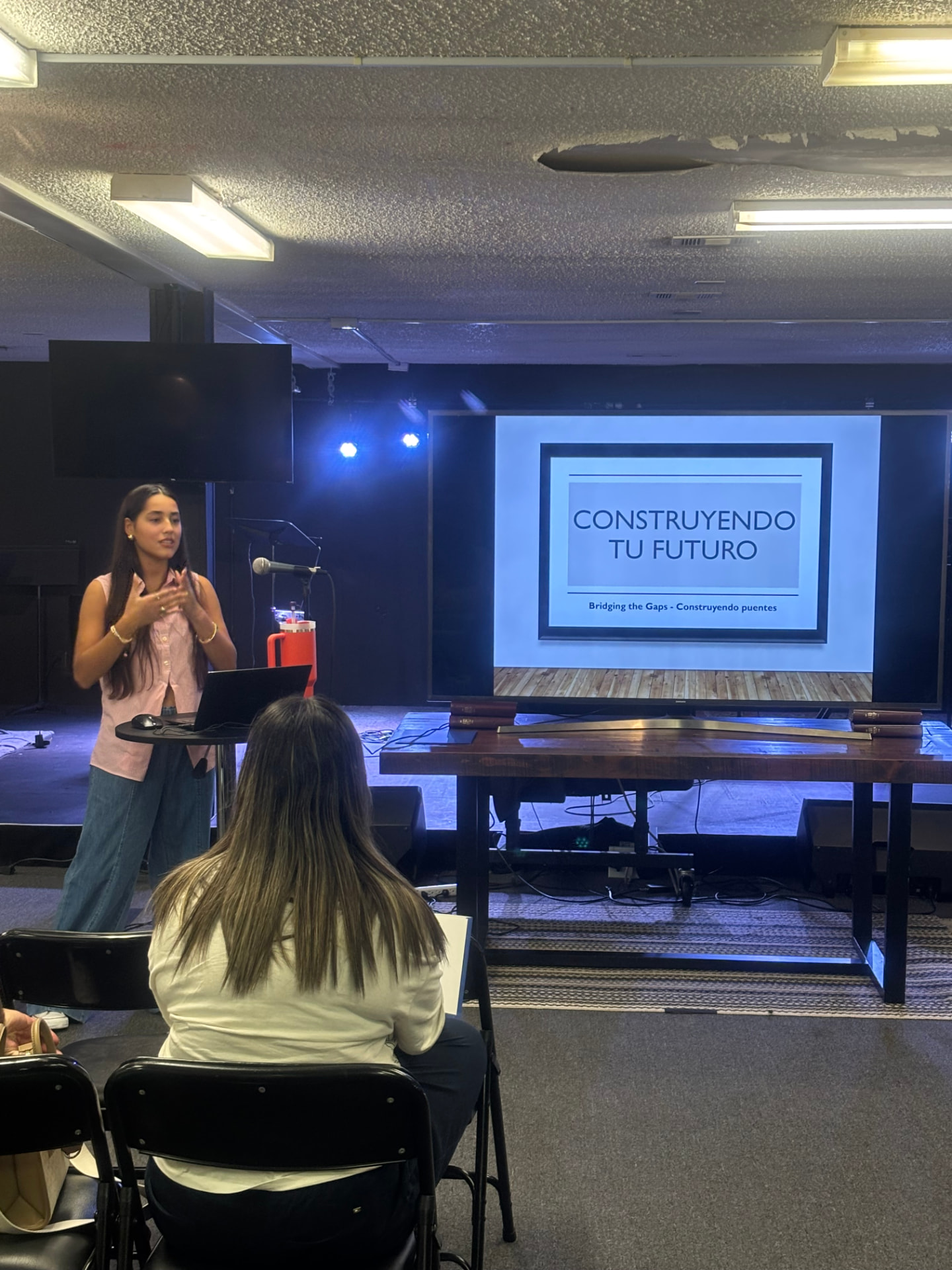
A translation table at church that turned into a movement.
Imagine arriving in a new country with the dream of giving your children a better future — only to discover that the path to their academic success is blocked by a language you do not fully speak and a system you do not yet understand. That was my mother's story. It was the story of the tías and abuelas who sat next to her in parent meetings, quietly nodding along. Every Sunday after service I would translate school emails, GPA scales, and financial-aid forms at the church coffee table. One afternoon a mother started crying because she didn't know her daughter had missed a scholarship deadline. That was the moment I stopped translating one family at a time and started building something the whole community could use.
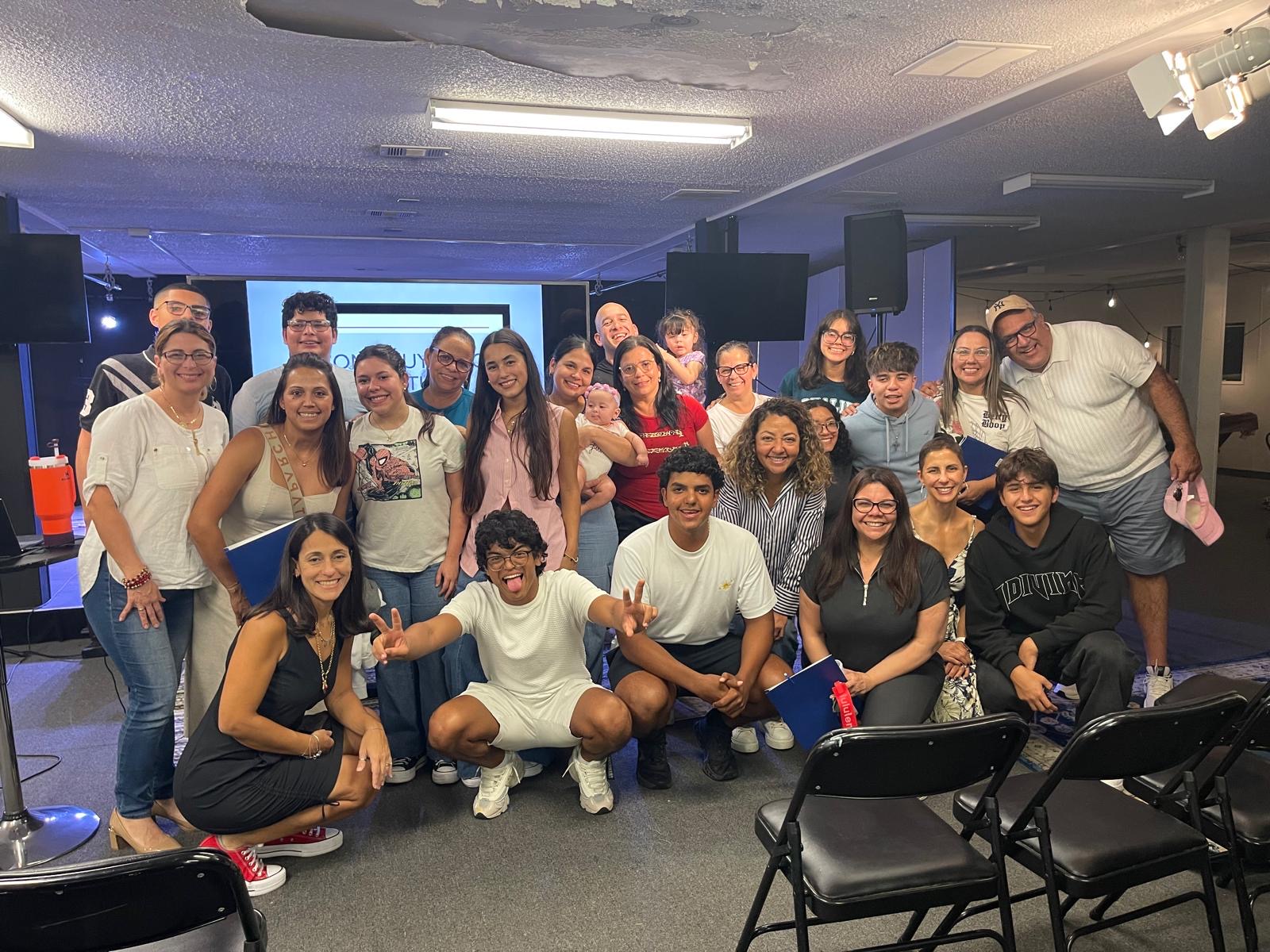
The problem
Spanish-speaking families in Central Florida face three overlapping barriers to their children's education: a disconnect from how the U.S. high school system actually works, language isolation at home when it's time to plan for college, and missed scholarships and opportunities because information arrives too late — or in a language parents can't fully act on. The result is capable students whose futures depend on whether their parents happen to know the right English-speaking person at the right time.